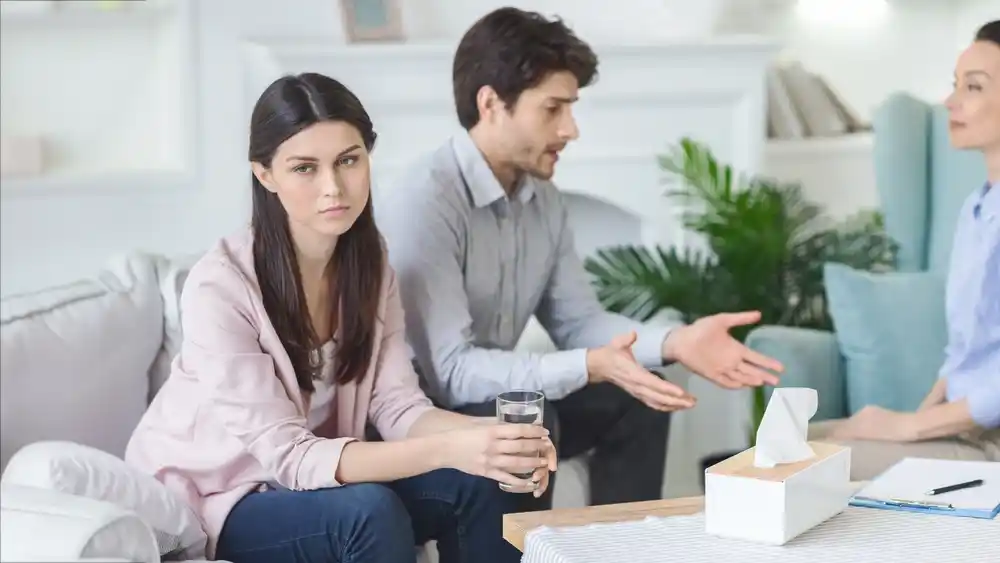
Living with PTSD can feel like having an uninvited guest who overstays their welcome. It’s tough for the person who has it and tricky for those who love them. Let’s dive into how PTSD and relationships intersect and how to navigate these stormy waters.
The Worst Thing to Do to Someone with PTSD
Imagine you’re sitting on a beach, and a wave crashes over you out of nowhere. That’s how PTSD can feel. So, what’s the worst thing to do? Ignoring their feelings or telling them to “just get over it.” It’s like handing someone a cup of saltwater when they’re thirsty.
Instead, offer a listening ear, patience, and understanding. Show them you’re there, come rain or shine.
Complex PTSD and Romantic Relationships
Complex PTSD (C-PTSD) is like PTSD’s more complicated sibling. It often stems from prolonged trauma, such as abuse or neglect. Loving someone with C-PTSD is like dancing on a minefield; you need to be careful with every step.
- Consistency is Key: Be reliable. Make sure they know they can count on you.
- Communicate Openly: Talk about feelings and fears. It’s okay to admit you’re unsure.
- Educate Yourself: Learn about C-PTSD. Knowledge is power, after all.
What to Do When Someone with PTSD Pushes You Away
Picture this: You’re trying to hug a porcupine. Ouch, right? When someone with PTSD pushes you away, it’s often because they’re overwhelmed, not because they don’t care.
Here’s what to do:
- Give Them Space: Sometimes, they need to retreat into their shell.
- Stay in Touch: Send a simple message or leave a note. Let them know you’re there.
- Avoid Pressuring Them: Forcing closeness can make them withdraw more.
PTSD Triggers in Relationships

Triggers are like landmines in the brain, ready to explode without warning. In relationships, these can be anything from a certain smell to a loud noise.
Common triggers include:
- Arguments or Raised Voices: Reminds them of past trauma.
- Unexpected Touch: Can cause a flashback.
- Anniversaries of Traumatic Events: Dates that bring back painful memories.
Understanding and identifying these triggers can help you navigate around them.
Complex PTSD and Marriage Breakdown
Marriage can be a rollercoaster ride, but with C-PTSD, it can feel like the tracks are broken. The ups and downs become more intense, and sometimes the marriage may break down.
Signs to watch for:
- Emotional Distance: One partner may shut down emotionally.
- Frequent Arguments: Misunderstandings and frustration bubble over.
- Lack of Intimacy: Physical and emotional closeness diminishes.
Seeking therapy together can sometimes help patch the cracks.
Coping with PTSD in Relationships
Coping with PTSD in relationships is like learning to sail through a storm. It’s not easy, but it’s possible.
Here are some tips:
- Therapy: Individual and couple’s therapy can be a lifesaver.
- Self-Care: Both partners need to take care of their mental health.
- Patience: Healing takes time. Be patient with each other.
Humor as a Healing Tool
Laughter can be a powerful antidote to stress. It’s like a sunny day breaking through the clouds. Finding moments of joy and humor can help lighten the emotional load. Here are some ideas:
- Watch a Funny Movie: Laughter can help release tension and bring you closer.
- Share Silly Stories: Reminiscing about funny moments can help shift the focus from stress to joy.
- Play Games Together: Simple games can bring laughter and a sense of connection.
Supporting Each Other
Supporting a partner with PTSD is about being a rock when they need stability and a soft place to fall when they need comfort. Here’s how you can be there for each other:
- Listen Actively: Sometimes, they just need to be heard. Listen without judgment or trying to fix things.
- Encourage Self-Care: Remind them to take care of themselves and make sure you do the same.
- Seek Professional Help: Therapists can offer tools and strategies to manage PTSD and improve your relationship.
Remembering Self-Care
It’s crucial not to lose yourself while supporting your partner. Self-care is like putting on your oxygen mask first. You can’t help others if you’re running on empty. Here are some self-care tips:
- Take Breaks: It’s okay to take time for yourself. Recharge by doing something you love.
- Join Support Groups: Connecting with others in similar situations can provide comfort and advice.
- Practice Mindfulness: Techniques like meditation or yoga can help you stay grounded and calm.
Navigating Setbacks
Setbacks are a normal part of the journey. Think of them as potholes on the road, not dead ends. Here’s how to handle them:
- Stay Calm: When setbacks happen, try to stay calm and avoid panic.
- Reevaluate and Adjust: Look at what might have caused the setback and adjust your approach.
- Be Forgiving: Forgive yourself and your partner for mistakes. Progress isn’t always a straight line.
Ending on a Positive Note

Navigating PTSD in relationships is challenging, but it’s also an opportunity for growth. It can bring partners closer, fostering deeper understanding and empathy. By facing the storm together, you can come out stronger on the other side.
Remember Jake and Sarah? They didn’t have all the answers, but they had each other. And sometimes, that’s enough. They learned to sail through the storm, celebrating sunny days and supporting each other through the cloudy ones.
With patience, love, and the right tools, you can navigate PTSD in your relationship too. It’s about building resilience, finding joy in small moments, and never giving up on each other. After all, every storm runs out of rain, and the sun always finds a way to shine through.
FAQs
How does PTSD affect a relationship?
Can you have PTSD from a bad relationship?
What are the behaviors of PTSD?
Avoidance: Staying away from reminders of the trauma.
Hypervigilance: Always being on high alert.
Mood Swings: Rapid changes in emotions.
Nightmares: Disturbing dreams that disrupt sleep.
Flashbacks: Reliving the traumatic event.
Emotional Numbness: Feeling detached from emotions.
Irritability: Getting easily annoyed or angry.
What are the 7 symptoms of PTSD?
Nightmares: Scary dreams about the event.
Avoidance: Dodging places or people that remind you of the trauma.
Flashbacks: Feeling like the trauma is happening again.
Emotional Numbness: Not feeling anything.
Hypervigilance: Being super aware of everything.
Irritability: Getting mad quickly.