Understanding Cheating Trauma
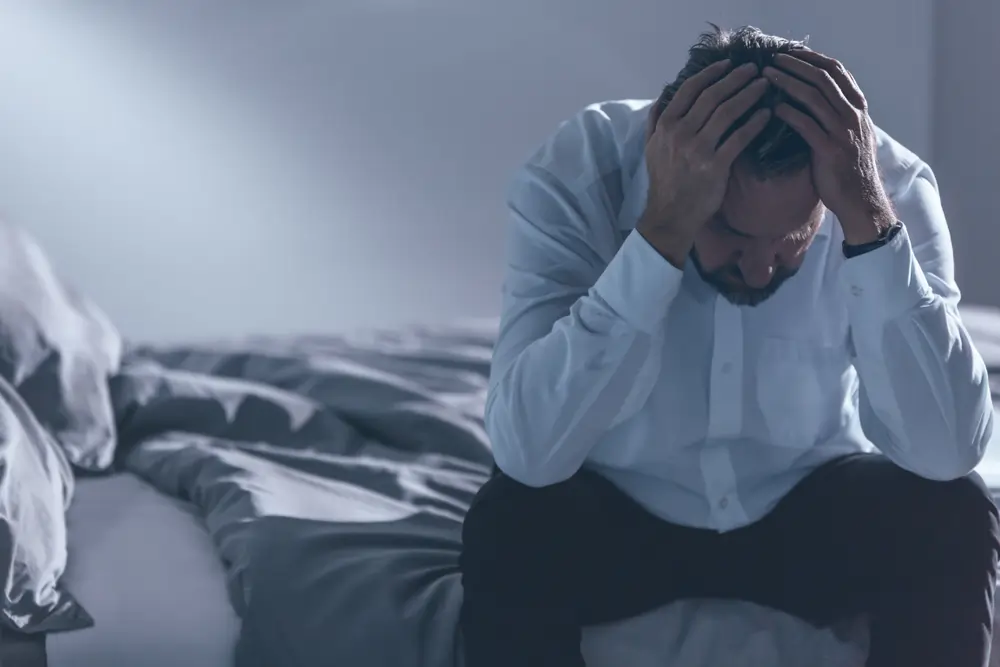
Cheating trauma is not just about feeling betrayed; it’s an emotionally devastating experience that shakes your very sense of self. When someone you trust breaks that bond, it can leave you overwhelmed with feelings of anxiety, depression, and deep confusion. It’s important to recognize that cheating is not “just a relationship problem”; it can evoke trauma-like responses, including loss of self-esteem, difficulty trusting others, and heightened emotional vulnerability. According to Healthline, the impact of infidelity can reach far beyond the relationship itself, affecting your mental health and sense of security.
In this article, we will explore how to heal from cheating trauma by helping you understand the emotional responses triggered by betrayal. We will also provide steps to help you begin your healing journey, regain trust in yourself, and move forward with resilience. Whether you’re dealing with immediate shock or ongoing emotional recovery, you’ll find guidance on how to navigate and overcome the effects of cheating trauma.
Key Takeaways
- Cheating trauma can cause long-lasting effects like anxiety, depression, and trust issues.
- Research shows that 30% to 60% of individuals betrayed by a partner report PTSD, depression, and anxiety after infidelity.
- Healing takes time, requiring self-compassion, support, and safe relationships to rebuild trust.
Can Being Cheated On Really Cause Trauma?
What Research Says
Research increasingly shows that betrayal from a trusted romantic partner—such as discovering infidelity—can generate trauma‑like symptoms, including PTSD‑like reactions, anxiety, depression, and loss of trust. One qualitative study found that between 30% to 60% of individuals betrayed by a partner report clinically significant symptoms such as post‑traumatic stress, depression, and anxiety following infidelity, highlighting how deeply such betrayal can impact psychological health. Specifically, 34.4% of women who experienced extramarital infidelity met the criteria for PTSD, while 30% to 60% of betrayed individuals in exclusive relationships experienced clinical levels of PTSD, anxiety, and depression. Infidelity can undermine a partner’s sense of safety and security, with financial implications, as romantic relationships often involve interdependence in finances, intimacy, and trust (Richard Nicastro, PhD). Betrayal can feel as threatening as losing access to basic needs like food and shelter. Furthermore, infidelity may trigger the five stages of grief—denial, anger, bargaining, depression, and possible acceptance—due to the emotional upheaval caused by the loss of relationship meaning, changes in perception of the partner, and disruption of family dynamics, including relationships with children, in-laws, and mutual friends.
Why It Feels Like Trauma
Betrayal from a trusted partner creates betrayal trauma, challenging our core beliefs about relationships, emotional safety, and trust. When this bond is broken, it leads to psychological turmoil and activates distress responses similar to post-traumatic stress disorder (PTSD), affecting both our emotional and physical well-being.
- Violation of Trust: Trust is the foundation of any relationship. When betrayed, this foundation shatters, leaving us with trust issues that extend beyond our partner, affecting our ability to trust others in general.
- Emotional Safety: Emotional safety is vital for self-worth in relationships. Infidelity disrupts this security, leaving us feeling vulnerable, exposed, and struggling to rebuild trust, making it harder to establish clear boundaries.
- Activation of Stress Responses: Betrayal triggers the body’s stress response, similar to trauma. We may experience flashbacks, avoidance, a racing heart, trouble sleeping, or persistent anxiety as we attempt to cope with the emotional fallout.
The Psychological Impact of Infidelity
The trauma of infidelity can have a profound impact on the emotional and mental well-being of the person who was cheated on. Some of the key psychological effects include:
- Loss of self-esteem and self-worth: The betrayal of trust can deeply affect a person’s self-worth, making them question their value in the relationship. (PMC)
- Intrusive thoughts and memory recall: Experiencing infidelity often leads to intrusive thoughts and constant recollection of the betrayal. This can feel like a traumatic event, hindering the process of healing. (Dr.Kathy Nickerson)
- Hypervigilance, nervousness, and sleep disruptions: After the discovery of infidelity, individuals may experience hypervigilance and anxiety, making it difficult to feel safe or relaxed. (PTSD UK)
- Emotional dysregulation (anger, shame, jealousy): The pain of infidelity often leads to intense emotions like anger, shame, and jealousy, as the impact of betrayal is processed. (PMC)
- Attachment and trust disruptions: Healing from infidelity involves addressing the impact on your mental and emotional well-being. Post-infidelity stress can disrupt the ability to trust, even after healing from betrayal trauma. (ScienceDirect)
How Long Healing Takes: A Realistic Expectations Guide
Healing from the trauma after infidelity doesn’t follow a set path, and no two people recover at the same pace. Some partners report significant emotional progress within months, while others find that the effects of betrayal continue to surface years after the affair occurred. (Martina Magnery)
| Emotional Phase | Timeframe | Description |
| Shock | 0–6 weeks | Intense disbelief, emotional paralysis, feeling overwhelmed. |
| Reaction | 6 weeks–3 months | Heightened anxiety, anger, intrusive thoughts, and emotional dysregulation. |
| Release | 3–6 months | Gradual emotional stabilization, processing the pain, and beginning to regain self-worth. |
| Rebuilding | 6 months–2+ years | Rebuilding trust, developing coping strategies, and moving toward emotional healing. |
First Steps: Acknowledgement and Self-Compassion
Recognizing the Pain
Admitting the pain from your partner’s infidelity is crucial for healing from betrayal trauma. Minimizing the pain or self-blame can delay recovery. (PsychCentral) Acknowledging your feelings without guilt is an important step in working through the trauma. Symptoms of betrayal trauma can resemble those of post-traumatic stress disorder, and ignoring them may delay the healing process. Seeking infidelity counseling or individual therapy helps create a safe space for emotional processing. Healing takes time, but through trauma-informed practices, you can rebuild trust and move toward a healthy relationship.
Practicing Self-Compassion
Practicing self-compassion is essential for healing from infidelity. Here are simple strategies to help:
- Journaling: Write freely to process emotions and gain clarity.
- Gentle Self-Talk: Replace self-criticism with kind, supportive words.
- Mindfulness: Practice deep breathing or body scans to stay grounded.
- Acknowledge Feelings Without Judgment: Allow yourself to feel pain, anger, or sadness without labeling them.
These practices help create a foundation for moving forward, fostering emotional healing, and allowing you to rebuild trust in yourself and relationships as you progress.
Evidence-Based Healing Process and Strategies
Therapy and Professional Support
Healing from the trauma of infidelity often requires professional support. Working with a trauma-informed therapist can provide a safe, supportive environment to process emotional pain. Therapies like Cognitive Behavioral Therapy (CBT) help reframe negative thought patterns, while EMDR (Eye Movement Desensitization and Reprocessing) targets trauma stored in the brain, facilitating healing. Somatic therapy focuses on how the body holds trauma and helps release tension caused by stress. Couples therapy can be valuable for relational healing, enabling partners to rebuild trust, improve communication, and understand the deeper emotional wounds.
Rebuilding Trust and Boundaries
Rebuilding trust after infidelity takes time and effort. Start by setting clear boundaries with your partner. Define what behaviors are acceptable and ensure both partners are committed to respecting those limits. Open communication is key—discuss your feelings honestly and regularly, without blame. Slowing the pace of the relationship allows time for emotional healing and creates a sense of safety as you both work toward recovery. Reaffirming your commitment to the relationship and each other helps rebuild the foundation of trust.
Nervous System Healing Practices
To aid nervous system healing, integrate mindfulness practices such as meditation or deep breathing to calm the mind and body. Body awareness practices, like yoga or gentle stretching, help you reconnect with your physical self, promoting relaxation and stress reduction. Somatic practices, such as body scans, can help release stored tension and trauma in the body, allowing the nervous system to reset and heal. These techniques promote emotional balance and contribute to overall well-being as you recover from infidelity trauma.
Heal from the Pain: Rebuilding Your Relationship
Unresolved trauma from past betrayal can contribute to fears relating to trust and hypervigilance in new relationships. You may struggle to trust your new partner, constantly fearing betrayal, or become overly watchful of their behavior. These reactions stem from past trauma, making it crucial to address them through healing and communication.
Here are some practical tips for communication, pacing, and emotional safety in new partnerships.
- Open Communication: Share emotional triggers and concerns calmly without blame.
- Pacing the Relationship: Take time to build trust, progressing at a comfortable pace.
- Emotional Safety: Establish and respect healthy boundaries to protect emotional well-being.
- Addressing Triggers: Recognize and discuss personal triggers to prevent misunderstandings.
- Consistent Reassurance: Regularly check in with your partner to ensure mutual understanding and security.
When to Seek Professional Help
When dealing with the aftermath of cheating, seeking professional help is crucial for healing. It is common for individuals to struggle to process intense emotions like betrayal, anxiety, and hypervigilance on their own, and this can significantly impact their mental health and future relationships.
Signs that indicate therapy could help:
- Persistent intrusive thoughts
- Inability to trust or form healthy attachments
- Major depressive or anxiety symptoms
- Avoidant behaviors disrupting daily life
Therapy with trained professionals provides compassionate, tailored support for individuals navigating the pain of cheating. At The Compassion Practice, our therapists offer a warm, trauma-informed approach, recognizing the unique emotional journey each person faces. Through compassion-focused therapy and other healing modalities, we gently guide our clients as they process their pain, rebuild trust, and embrace a path toward long-term healing with empathy and care.

Healing Stories & Hopeful Outcomes
Recovery from cheating trauma is often a long journey, but research shows that many people do regain trust and emotional balance over time, especially with support. Clinicians and researchers report that individuals can heal from the trauma of infidelity and may even experience personal growth and greater emotional resilience along the way.
Studies on couples show that when partners choose to stay together after infidelity, and engage in therapeutic work, meaningful healing and psychological change are possible. For example, research exploring reconciliation after affairs found that trust can be rebuilt through consistent openness, support, and cooperation, with couples reporting improved relational dynamics months to years after the betrayal.
Evidence also suggests that therapy focused on infidelity and relational repair helps improve mental health and relationship satisfaction. Structured infidelity therapy has been associated with better psychological well‑being and reduced distress in betrayed partners compared to those who do not seek help, pointing to real, measurable benefits of professional support.
Healing is rarely linear, and setbacks are common—but with patience, support, and intentional work, positive outcomes are realistic and attainable for many people affected by betrayal trauma.
Conclusion – Your Path Forward
Healing from cheating is a journey that requires acknowledging the pain, embracing self-compassion, and seeking evidence-based support. With time and the right tools, including trauma-informed therapy and safe relationships, you can rebuild trust, regain emotional balance, and move forward. Recovery is possible—many individuals find that, over time, they emerge stronger, with a deeper sense of self-awareness and emotional resilience. You are not alone in this process.
At The Compassion Practice, we’re here to support you every step of the way. Our compassionate, trauma-informed therapists provide a safe space to process your pain, heal from betrayal, and build the foundation for a healthier future. Reach out today to start your journey with the guidance you deserve.
FAQs about Betrayal Trauma
Can cheating trauma ever fully go away?
Cheating trauma can heal over time, but for many, the emotional impact may never fully disappear. With the right support and practices, however, individuals can learn to manage the pain and rebuild trust, leading to a healthier emotional state and future relationships.
Does cheating always lead to trauma?
Not everyone experiences trauma from infidelity, but for many, it can deeply affect their emotional and psychological well-being, especially if trust is violated in a committed relationship. Whether trauma occurs depends on the individual’s emotional resilience, the relationship dynamics, and the level of betrayal.
How do I know if I’m projecting past cheating onto a new partner?
If you find yourself excessively worried about trust or experiencing anxiety without clear reasons, it may be a projection from past betrayals. A good indicator is whether your emotional reactions feel disproportionate to your current partner’s behavior, rather than stemming from their actions.
Is it possible to heal without going back to the same partner?
Yes, healing from infidelity is possible without staying in the same relationship. Many people find that leaving the relationship allows them the space to heal, regain their sense of self-worth, and move forward in a healthier way, whether that means pursuing new relationships or self-growth.
Can trauma from cheating show up years later?
Yes, trauma from infidelity can resurface years later, especially when triggered by certain events, behaviors, or relationships that remind you of the betrayal. Unresolved emotions can lie dormant but may resurface unexpectedly as flashbacks or heightened anxiety in future situations.