Bereavement, the process of grieving after the loss of a loved one, is a profoundly emotional experience. While grief is a natural reaction, it can sometimes spiral into something deeper and more complex. This raises an important question: Can bereavement cause depression?
Understanding the connection between bereavement and depression is vital for mental well-being. The emotional toll of losing someone close can sometimes trigger symptoms of depression, especially if the grief becomes prolonged or overwhelming. Recognizing these early signs is essential for getting the right support and treatment.
Key Takeaways:
- Bereavement can lead to depression, but not everyone who grieves will experience it.
- Grief and depression share similar symptoms but are distinct.
- Early intervention can help prevent bereavement-related depression from becoming more severe.
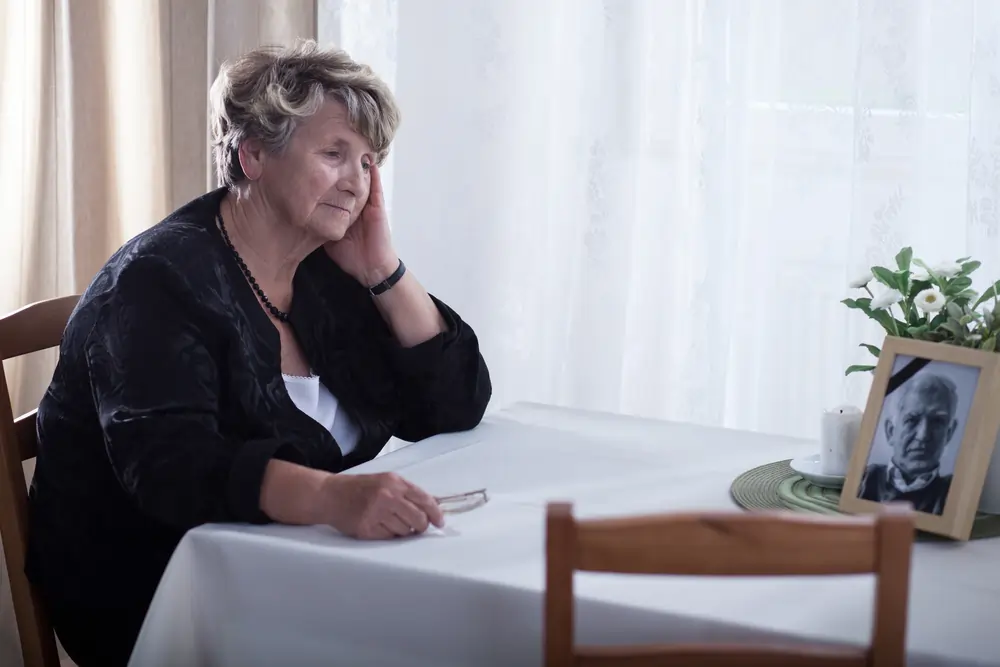
What Is Bereavement?
Bereavement is the emotional journey we go through after the death of a loved one. It’s the period when we try to adjust to life without that person, often feeling as if a part of us is missing. While many use the terms grief and mourning alongside bereavement, each has its own meaning.
Grief is the emotional experience of loss. It’s the sadness, the sorrow, and sometimes even the confusion that comes when we lose someone we love. Mourning is how we show our grief to the outside world. It can be through rituals, ceremonies, or quiet moments of reflection. Bereavement is the larger process that includes both our internal emotions and how we express those emotions through mourning.
Some common emotional responses to bereavement include:
- Sadness: A heavy feeling of sorrow that can seem to linger.
- Anger: Frustration and resentment, sometimes aimed at the situation, others, or even ourselves. This is often seen as part of the grief reaction.
- Guilt: A feeling of wishing we could have done something differently or had more time.
- Shock or disbelief: Particularly in sudden losses, it can take time to truly understand that the person is gone.
Grief is a deeply personal experience, and the emotions we go through during bereavement are a natural part of the healing process.
What Is Depression?
Grief is a natural response to losing someone we love, but for some, it can evolve into something deeper. Depression after a loved one’s death is more persistent and often interferes with daily life. People with depression may experience a lasting sense of hopelessness and withdrawal, which goes beyond what is typical in the stages of grief.
While both grief and depression involve overwhelming sadness, depressive symptoms are longer-lasting and more debilitating. The signs and symptoms of depression, such as constant fatigue, withdrawing from loved ones, or even thoughts of death, often suggest that grief has turned into something more serious.
Key symptoms that distinguish depression from normal grief include:
- A consistent feeling of hopelessness or worthlessness, even after some time has passed since the loss.
- Severe withdrawal from social activities and relationships, rather than the typical periods of solitude or reflection seen in grief.
- Physical symptoms like extreme fatigue, changes in appetite or sleep patterns, which may persist long after death.
- Thoughts of death or suicidal ideation, which are much more concerning than thoughts about reuniting with the deceased.
Unlike grief, which tends to come in waves, bereavement depression can lead to a persistent complex bereavement disorder (PCBD). This is when grief does not subside, leading to a prolonged grief disorder that disrupts everyday life and may require the expertise of a mental health professional.
The Link Between Bereavement and Depression
The connection between bereavement and depression is well-documented in recent research. A 2024 study from the JAMA Network found that 30 percent of bereaved adults showed symptoms of major depression. This statistic emphasizes how deeply loss can affect mental health, with many people experiencing more than just temporary sadness after the death of a loved one.
Many factors can affect how someone experiences this link. The nature of the loss matters. A sudden or traumatic death can be harder to process than an expected one. Losing a spouse or close family member often brings stronger emotions, raising the risk of bereavement-related depression.
Personal resilience also makes a difference. People with strong coping skills or a solid support system may be better able to manage grief without it leading to depression.
The year after death is often the hardest. During this time, bereaved people may feel stuck in sadness. If the sadness lingers or worsens, it may mean that the grief has contributed to symptoms consistent with depression. Depression can affect sleep, appetite, focus, and relationships, making it harder to function and move forward.
Risk Factors for Developing Depression After Loss
Bereavement can lead to different emotional responses, but certain factors may increase the risk of depression after a loved one’s death. These factors can influence how someone processes their grief and whether it develops into something more serious, like complicated grief or bereavement-related depression.
Understanding these risk factors is important for recognizing when grief may evolve into a major depressive disorder (MDD) or other mental health problems, allowing people to get the right support.
Individual Factors
Personal characteristics, such as age, gender, and pre-existing mental health conditions, can affect the likelihood of developing depression after a loss. For example, older individuals may experience acute grief more intensely, while those with a history of depression or bipolar disorder may have a harder time coping. The National Institutes of Health highlight that those with prior depressive episodes are at a higher risk of bereavement-related major depression.
Circumstantial Factors
The circumstances surrounding the loss also influence the grieving process. Sudden deaths often lead to traumatic grief, which can increase the risk of depression. In contrast, an anticipated death may allow for more preparation, which can soften the emotional blow. The nature of the relationship to the deceased and the availability of support systems also play a significant role in whether someone develops prolonged grief symptoms or depression.
Cultural and Societal Influences
Cultural norms about grief and how it should be expressed can impact emotional responses to loss. In cultures that encourage open mourning, people may process their grief more effectively. However, in cultures where grief is suppressed, individuals may internalize emotions, often leading to depression. The presence of societal support networks, like community groups, can provide bereavement support and reduce feelings of isolation, which are often linked to negative thoughts and anxiety symptoms.
How to Know When Grief Becomes Depression
Grieving the loss of a loved one is a personal and natural process, but sometimes, grief can shift into something more serious, like bereavement related depression. Recognizing when this happens is crucial for getting the help you need.
If your grief and loss are preventing you from functioning, or if you’re feeling persistently sad, hopeless, or empty, it could be a sign that your grief has crossed into depression. Intense grief is expected after a loss, but when it lingers and overwhelms you for weeks or months, it may indicate depression rather than normal grief.
Seeking early intervention is key. A mental health professional can help guide you through the grief process and prevent bereavement and mental health issues from worsening.
Here’s a quick comparison of grief and bereavement versus depressive symptoms:
|
Grief Symptoms |
Depressive Symptoms |
|
Sadness that fluctuates but gradually lessens over time |
Persistent sadness that doesn’t go away |
|
Feelings of longing and missing the loved one |
Feelings of worthlessness or guilt |
|
Temporary loss of interest in daily activities |
Loss of interest in most activities, even those once enjoyed |
|
Emotional reactions that may vary day-to-day |
Constant fatigue, sleep disturbances, and appetite changes |
If you’re noticing signs of bereavement and mental health difficulties, seeking professional help early can make a significant difference in your recovery.
Coping Strategies and Support Systems
Navigating grief can feel overwhelming, but there are several ways to manage the emotional and mental toll. Here are some strategies to help you cope with bereavement-related depression and improve your health and well-being :
- Seek professional counseling or therapy: Working with a trained therapist can provide tools for navigating complicated grief symptoms and help prevent depression and grief from overwhelming you.
- Join support groups: Engaging with others who understand your pain, whether through online groups or in-person meetings, offers a sense of belonging and helps reduce the isolation that often accompanies spousal bereavement.
- Practice self-care and mindfulness: Simple activities like exercise, meditation, or journaling can help you manage anxiety and depression. These practices support your mental health by giving you space to process symptoms of grief in a healthy way.
- Stay connected socially: Maintaining relationships with friends and family is vital. Social support is crucial for combating the stress of bereavement and improving your overall health outcomes.
At The Compassion Practice, we offer specialized services to help those navigating bereavement-related depression. With the right support, you can manage your feelings of grief, understand different types of depression, and find a path to healing.

Treatment Options for Depression Following Bereavement
When bereavement and grief lead to depression, finding the right treatment is essential for healing. Different therapeutic approaches can help individuals manage the emotional and mental challenges of grieving the loss of a loved one. Below are some effective treatments for bereavement-related depression:
- Cognitive Behavioral Therapy (CBT): CBT helps individuals reframe negative thought patterns and behaviors that can worsen feelings of grief and loss. This treatment is particularly effective for those who are diagnosed with depression or experience symptoms following the death of a spouse.
- Acceptance and Commitment Therapy (ACT): ACT encourages individuals to accept their emotions rather than fight them. It promotes living in alignment with personal values, which can be especially beneficial for those experiencing intense grief.
- Compassion-Focused Therapy (CFT): CFT aims to foster self-compassion and reduce feelings of shame or guilt, which can often accompany bereavement and mental health struggles. This type of therapy is especially useful for individuals who have complicated grief symptoms and need help navigating the emotional complexity of their loss.
Combining Therapy with Support Groups and Medication
Sometimes, therapy alone isn’t enough to fully address depression after losing a loved one. Combining therapy with support groups and medication offers a powerful approach to enhance mental health outcomes and promote healing. Support groups provide a safe space where individuals can connect with others who are also navigating the difficult journey of grieving the loss of someone special. This connection helps alleviate the isolation that often accompanies grief.
Medications, such as antidepressants, can help manage the symptoms of grief and depression, providing relief when emotions feel overwhelming. When paired with therapy, this combination can provide a more balanced approach to recovery, allowing individuals to rebuild their emotional well-being.
It’s important to work closely with a health care provider to determine the right treatment plan, especially for those dealing with complicated grief or seasonal affective disorder during their mourning.
At The Compassion Practice, we offer personalized support, combining therapy with community resources to ensure each individual’s journey through grief and loss is met with care, compassion, and healing.
Can Bereavement Cause Depression: Frequently Asked Questions
Is it normal to feel depressed after losing a loved one?
Yes, it’s common to experience feelings of sadness and loss after a loved one’s death. However, clinical depression differs from normal grief by its persistent nature and impact on daily life. If symptoms persist or worsen, it may indicate bereavement-related depression rather than typical grief.
How long does it take to grieve?
Grief timelines vary, but most people experience intense grief for a few months. Complicated grief or prolonged grief symptoms may last longer, requiring professional support if the symptoms become overwhelming or disruptive to daily life.
Can therapy help with depression after bereavement?
Yes, therapy is highly effective in managing grief-related depression. Approaches like Cognitive Behavioral Therapy (CBT) and Compassion-Focused Therapy (CFT) can help individuals process complicated grief symptoms and work through mental health disorders caused by bereavement.
Are there support groups for people dealing with loss?
Yes, there are numerous bereavement support groups, both online and in-person. Engaging with others who are grieving the loss of a loved one provides community, understanding, and emotional relief during difficult times.
What should I do if I notice signs of depression in someone who is grieving?
If you notice signs of clinical depression or prolonged grief in someone who is grieving, encourage them to seek help from a mental health professional. Early intervention can prevent symptoms from worsening and help them cope more effectively with their bereavement.
Navigating the Path from Grief to Healing with Confidence
While bereavement can lead to depression, it doesn’t have to. With the right support and understanding, it’s possible to heal and find peace after a loss. Everyone’s journey through grief is unique, and it’s important to reach out for help when needed. Remember, there is hope, and you don’t have to navigate this path alone.
If you or someone you know is struggling with the emotional weight of grief, visit The Compassion Practice today. Our dedicated team can provide the support and resources you need to start healing and reclaim your well-being.